
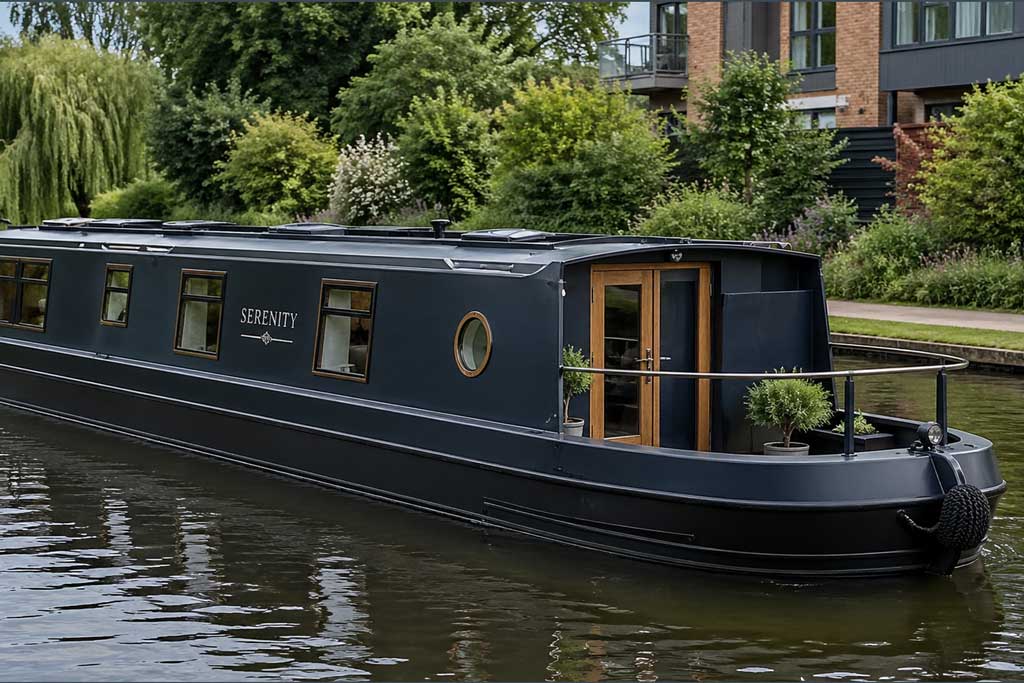
The UK’s canal network has long been supported by a proud tradition of boatbuilding, combining heritage skills with modern engineering precision. Today, buyers searching for canal narrowboats for sale are not just investing in a lifestyle, but in a carefully engineered vessel designed for durability, efficiency, and comfort. From hull construction to onboard systems, every stage of manufacture plays a critical role in performance and longevity.
Modern narrowboats are typically constructed using high-grade steel, chosen for its strength and resistance to corrosion. The base plate, hull sides, and cabin structure are welded together using advanced fabrication techniques, ensuring watertight integrity and structural stability. Precision in these early stages is essential, as even minor inconsistencies can affect how the boat handles in the water.
Steel Fabrication And Hull Design
The foundation of any narrowboat lies in its hull design. Engineers must balance hydrodynamics with practical constraints such as canal width and lock dimensions. Most narrowboats measure around 6 feet 10 inches wide, requiring careful planning to maximise internal space without compromising manoeuvrability.
Steel thickness is another crucial factor.
A typical specification may include a 10mm base plate, 6mm hull sides, and 4mm cabin steel. This layered approach provides durability where it is needed most while keeping overall weight manageable. During fabrication, computer-aided design (CAD) software is often used to ensure precise measurements and consistency across builds.
Protective coatings are applied once the hull is complete. These include bitumen or epoxy treatments to guard against rust and prolong the vessel’s lifespan. Proper surface preparation and coating application are essential engineering steps that directly impact maintenance requirements over time.
Mechanical Systems And Onboard Engineering
Beyond the structure, narrowboats rely on a range of mechanical and electrical systems that require expert installation. Engines are typically diesel-powered, selected for reliability and fuel efficiency. Engineers must carefully align the engine with the propeller shaft to minimise vibration and maximise performance.
Electrical systems have become increasingly sophisticated, particularly with the rise of off-grid living. Many modern boats incorporate solar panels, inverters, and battery management systems. These components must be integrated seamlessly to provide consistent power while maintaining safety standards.
Plumbing and heating systems also play a key role in onboard comfort. From water pumps to calorifiers and solid fuel stoves, each system must be installed with precision to ensure reliability in varying conditions.
Buyers browsing canal narrowboats for sale often prioritise these features, as they directly influence day-to-day usability.
Interior Fit-Out And Space Optimisation
Once the engineering framework is complete, attention turns to the interior fit-out. This stage blends craftsmanship with practical design, transforming a steel shell into a functional living space. Engineers and designers must work closely to optimise every inch, particularly in a vessel where space is limited.
Lightweight materials are often used to avoid adding unnecessary load, while still providing durability and aesthetic appeal. Joinery, insulation, and ventilation are all carefully considered to create a comfortable environment year-round. Spray foam insulation, for example, is commonly used for its thermal efficiency and moisture resistance.
Customisation is a major draw for buyers. Whether it’s a traditional layout or a contemporary open-plan design, the engineering must support the chosen configuration without compromising structural integrity. This balance between flexibility and robustness is a hallmark of quality narrowboat manufacture.
Quality Control And Compliance Standards
Engineering excellence in narrowboat production is reinforced through rigorous quality control and compliance with UK regulations. Boats must meet standards such as the Recreational Craft Directive (RCD) or UKCA marking, ensuring they are safe and fit for purpose.
Inspections are carried out at multiple stages of the build, from weld integrity checks to system testing. These processes help identify potential issues early, reducing the risk of costly repairs later. For buyers exploring canal narrowboats for sale, understanding these standards can provide reassurance about build quality and safety.
Ultimately, the manufacture of canal boats is a complex process that combines traditional skills with modern engineering innovation. Each vessel represents a carefully balanced system, where structural design, mechanical performance, and interior functionality come together to create a reliable and enjoyable waterborne home.
Featured image credit: AI generated.