
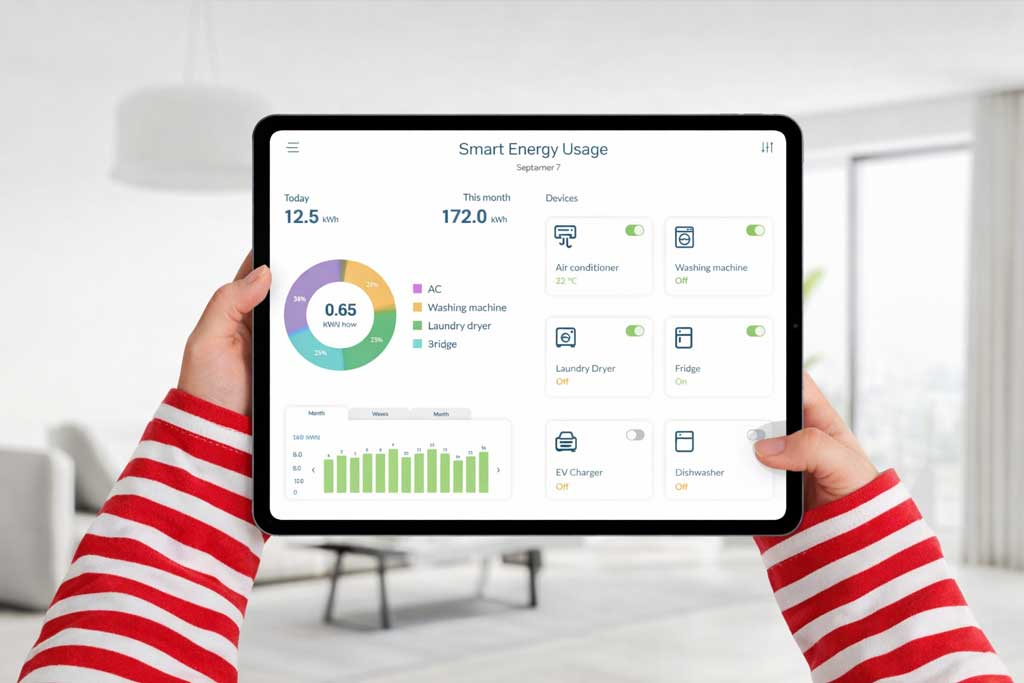
Home heating is changing fast, and homeowners are expecting far more from their systems than simple on-off control. Smarter technology, better connectivity and rising energy awareness have all pushed the sector forward. boiler management systems are now playing a much bigger role in how homes stay warm, efficient and responsive to everyday demand. As heating technology becomes more advanced, these systems are helping to deliver better performance, lower waste and greater control.
Traditional boilers often worked in a fairly limited way, heating water or radiators according to a fixed schedule or manual adjustment. That model is now being replaced by intelligent controls that can respond to changing conditions in real time. This shift is making home heating more adaptable, especially in properties where energy efficiency and comfort both matter.
Smarter Control For Modern Homes
One of the biggest advantages of boiler management systems is the level of control they provide. Instead of relying on guesswork or basic timers, homeowners can now manage heating more precisely through digital interfaces, apps and connected devices. This means the heating system can be adjusted to suit daily routines, occupancy and even weather changes.
For example, if a household leaves for work earlier than expected, the system can reduce output without needing manual intervention. If the temperature drops sharply in the evening, it can respond quickly and restore comfort. This kind of flexibility reduces unnecessary energy use while helping maintain a consistent indoor environment.
Efficiency Gains Through New Technology
Technology has also improved the efficiency of boiler management systems in ways that were not possible a generation ago. Sensors, smart thermostats and data-driven controls allow the heating system to operate more intelligently. Rather than simply running at full capacity, the boiler can modulate its output to match demand more accurately.
That matters because heating often accounts for a large share of domestic energy consumption. Even small improvements in performance can make a noticeable difference over time. More efficient operation can also place less strain on system components, which may support longer equipment life and fewer maintenance issues. For households that want to reduce bills without sacrificing comfort, this is a major advantage.
Better Integration With Connected Homes
Another reason boiler management systems are changing home heating is their growing integration with broader smart home technology. Heating no longer exists in isolation. It can now work alongside smart meters, occupancy sensors, voice assistants and zoning controls to create a more joined-up approach.
This integration gives users a clearer view of how energy is being used across the home. It can also make heating decisions more responsive and more personalised. A family with different schedules, for instance, may benefit from zoned heating that warms only the rooms in use. In a larger property, that can prevent energy from being wasted on unoccupied spaces.
Supporting Comfort And Sustainability
Homeowners are increasingly looking for systems that balance comfort with sustainability, and boiler management systems are well placed to meet that demand. By reducing unnecessary heating cycles and improving control, they support lower energy consumption and a more efficient use of resources. That is especially relevant as households look for practical ways to reduce their environmental impact.
There is also a comfort benefit. A well-managed heating system avoids the swings in temperature that can happen with older, less responsive setups. Instead of overheated rooms or cold patches, the home stays more stable and comfortable throughout the day. That combination of efficiency and convenience is a key reason these systems are becoming more widely adopted.
What The Future Looks Like
The next stage in heating innovation will likely involve even more automation, better predictive control and deeper integration with renewable energy sources. Boiler management systems are already moving in that direction. As data analysis improves, systems will become better at learning household patterns and adjusting operation accordingly.
For engineers, this creates exciting opportunities to design heating solutions that are not only reliable but also intelligent and future-ready. For homeowners, it means heating systems that are easier to manage, more economical to run and better aligned with modern expectations. In many ways, boiler management systems are no longer just an upgrade; they are becoming a standard part of how home heating works in the digital age.
Featured image credit: AI generated.